
O tvarůžkách
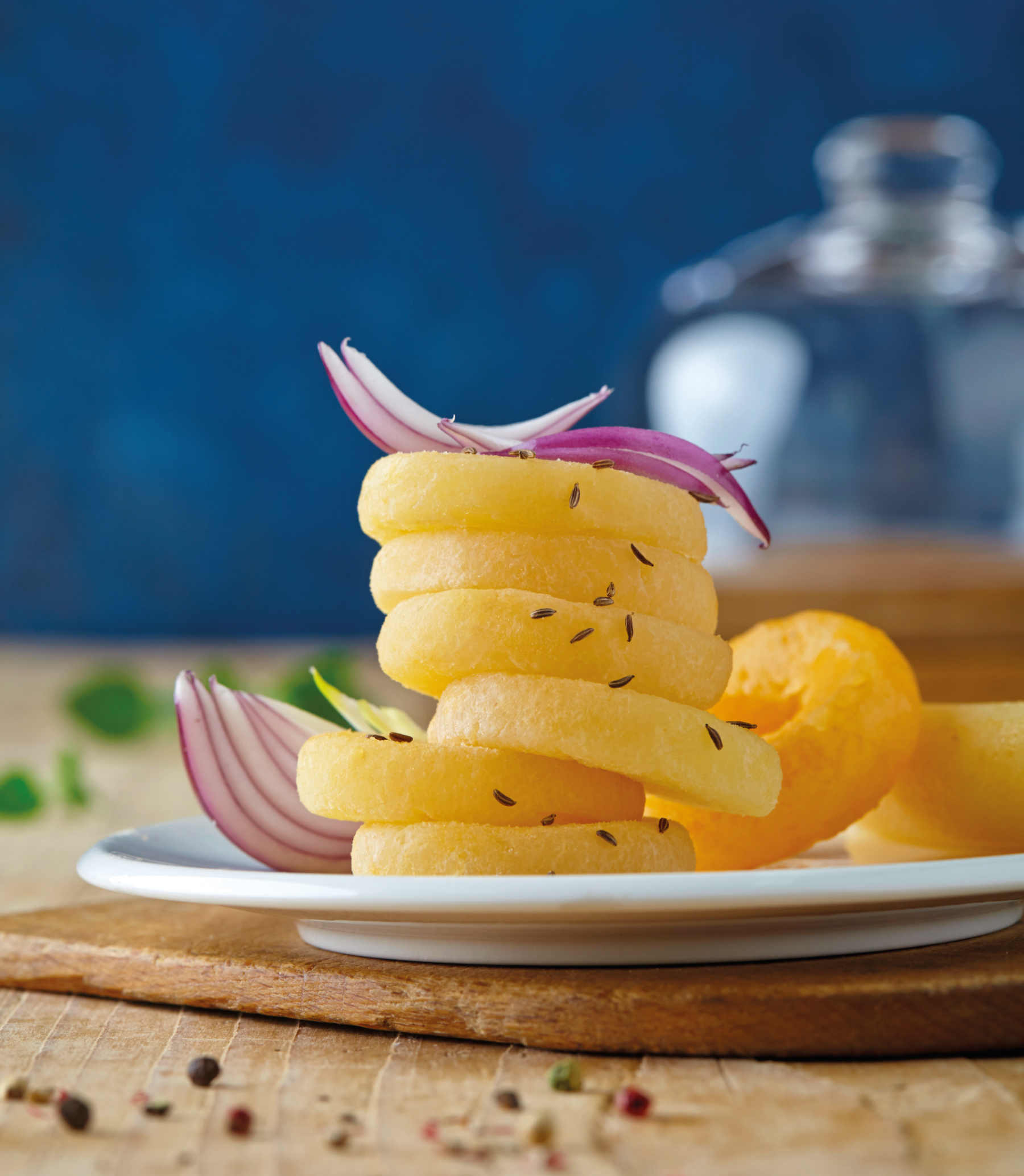
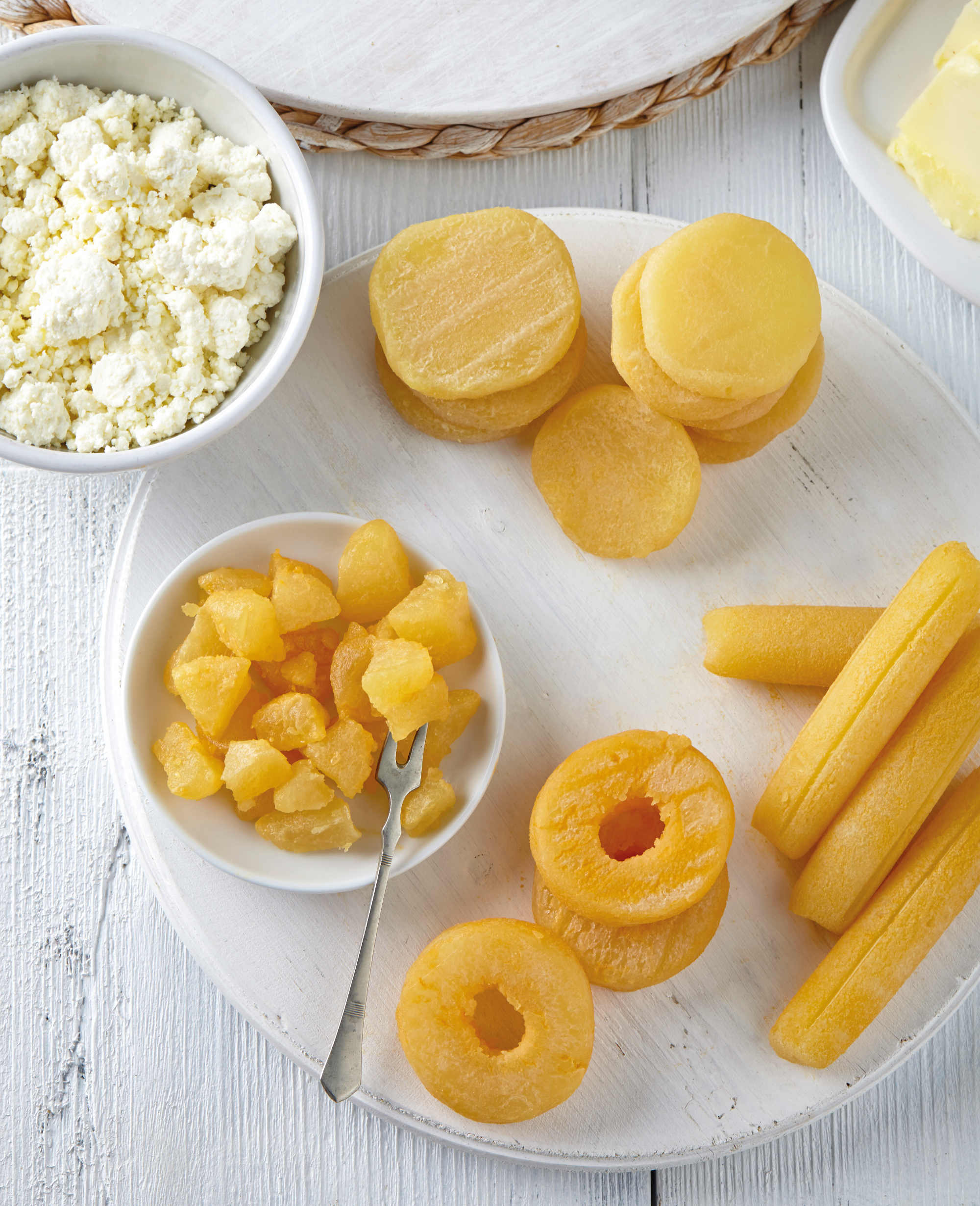
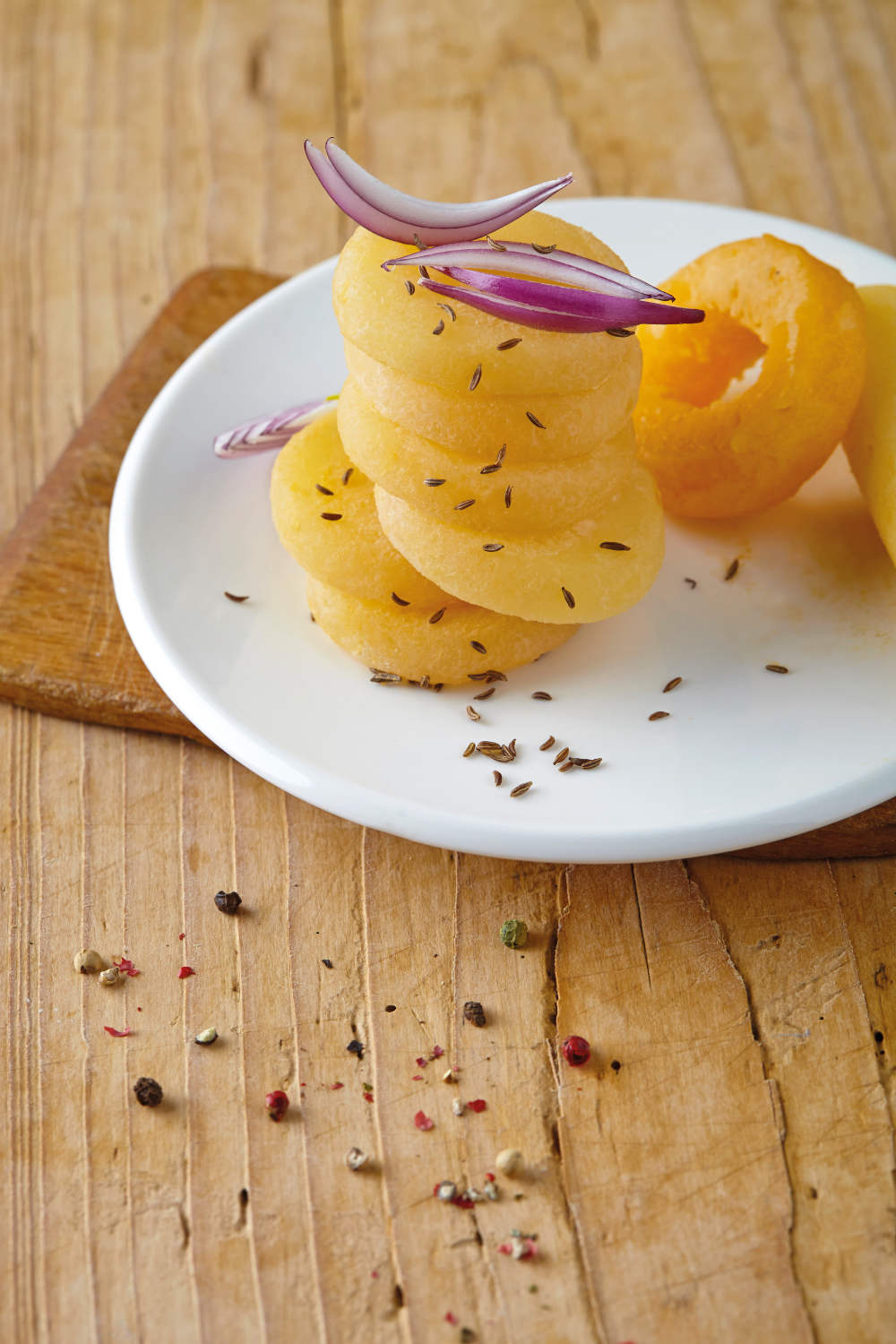
Při výrobě Olomouckých tvarůžků se nepoužívají geneticky modifikované suroviny. Vyrábějí se bez přídavku syřidel, barviv, aromat a stabilizátorů. Obsahují alergen – tvaroh vyrobený z pasterizovaného kravského mléka. Neobsahují látky, které způsobují celiakii a jsou tedy vhodné pro bezlepkovou dietu.
Z čeho se vyrábí
Olomoucké tvarůžky se vyrábí z netučného tvarohu, jedlé soli, přidány jsou i regulátory kyselosti E500 (hydrogenuhličitan sodný), E170 (uhličitan vápenatý) a mlékárenské kultury.
Jakost
Jak vyplývá z charakteristiky Olomouckých tvarůžků, jde o zrající sýr, k jehož výrobě se nepoužívají žádné stabilizátory ani tepelné zpracování. Tyto přednosti na druhé straně způsobují jeho větší náchylnost ke vzniku určitých vad, jak mikrobiologických (např. napadení plísněmi), tak mechanických (např. tvarové změny při zrání).
Které jevy nejsou na závadu (nejsou zdravotně závadné)
Oranžové až nahnědlé zabarvení povrchu, někdy s vysráženou krupičkou – nejde o plíseň, ale o projev vyšší aktivity zrací kultury Brevibacterium linens – zcela nezávadné.
Bílá plíseň na povrchu – jde o tzv. mléčnou plíseň (Oospora lactis, Geotrichum candidum) – rovněž zcela nezávadnou.
Tvarové deformace – vlivem nestejné zrací schopnosti tvarohu nebo nedodržení teplotního režimu při prodeji mohou Olomoucké tvarůžky dozrávat nestejnoměrně a zejména ve vyšším stupni zralosti mohou vykazovat měkčí konzistenci, která pak způsobí změnu jejich tvaru (např. sednutí). Tato vada, pokud není spojena s uvolňováním tekutiny, není na závadu a svědčí o dobrém prozrání Olomouckých tvarůžků.
Které jevy jsou nepřípustné
Plísně na povrchu viditelné pouhým okem – černá, zelená, šedá apod.
Velmi měkká konzistence – spojená s uvolňováním tekutiny
Hořknutí – hořká chuť se bohužel v zabaleném výrobku nedá odhalit. Její výskyt není zdravotně nebezpečný, ale tato vada je u Olomouckých tvarůžků nepřípustná.
Nutriční hodnoty
|
Energetická hodnota nebo název živiny |
Referenční hodnota příjmu |
Informace se vztahují na 100 g výrobku |
|||
|
Výživová hodnota |
% podíl referenčních hodnot příjmu stanovených |
||||
|
Energetická hodnota |
8400 |
kJ |
541 |
kJ |
6,4 % |
|
|
2000 |
kcal |
127 |
kcal |
|
|
Tuky |
70 |
g |
0,5 |
g |
0,7 % |
|
z toho Nasycené mastné kyseliny |
20 |
g |
0,3 |
g |
1,5 % |
|
Sacharidy |
260 |
g |
2,6 |
g |
1,0 % |
|
z toho Cukry |
90 |
g |
< 0,4 |
g |
< 0,4 % |
|
Bílkoviny |
50 |
g |
28 |
g |
56,0 % |
|
Sůl |
6 |
g |
4,5 |
g |
75,0 % |
|
Denní referenční hodnota příjmu minerálních látek |
|||||
|
Vápník |
800 |
mg |
197 |
mg |
24,6 % |
Doporučené denní množství energie se mění v závislosti na věku, hmotnosti, výšce, pohlaví a úrovni fyzické aktivity.
Organoleptické údaje
|
Vůně |
Čistá, jemně pikantní, charakteristická pro tento druh sýru. Vůně se stává více výrazná a charakteristická v průběhu zrání. |
|
Vzhled a barva povrchu |
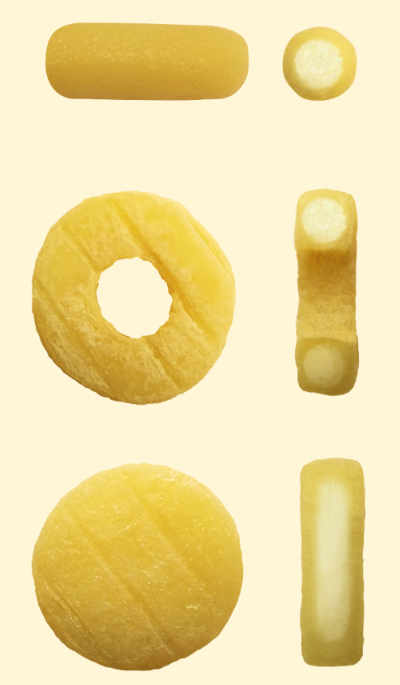
Pravidelný tvar, uzavřený hladký nebo mírně nerovný povrch s přiměřenou vrstvou mazu, deformace tvaru v průběhu skladování není na závadu. |
| Barva stejnorodá sýrově zlatožlutá až oranžová. Barva se stává intenzivnější v průběhu zrání. Oranžovohnědé zbarvení není na závadu. | |
| Slabý nádech bílé plísně Geotrichum candidum není na závadu. | |
|
Stupeň prozrání |
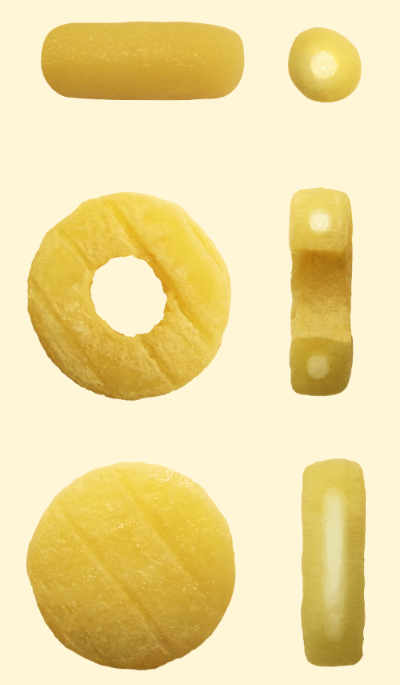
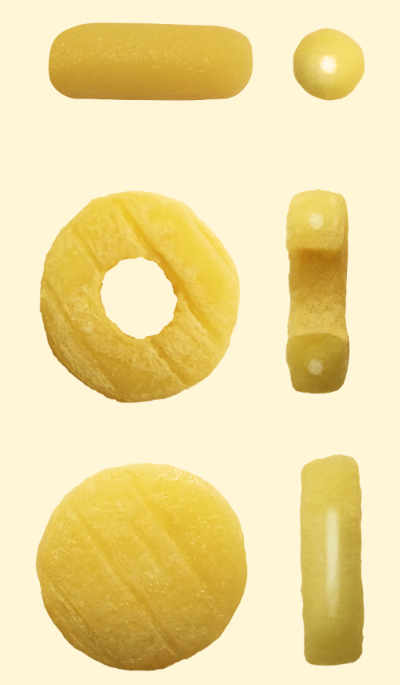
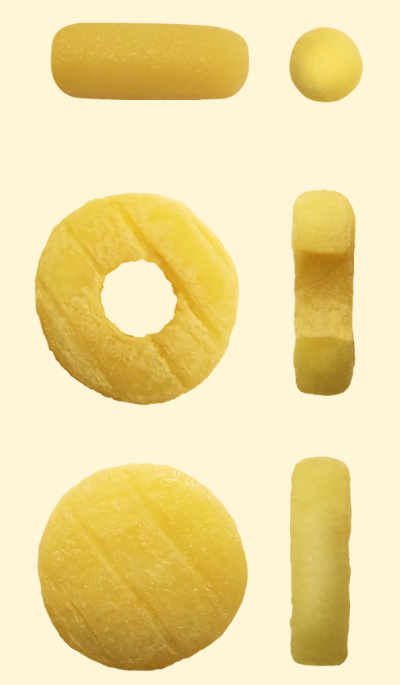
V symetrických vrstvách od povrchu ke středu. Zbarvení vrstev je od sýrově zlatožluté nebo oranžové po tvarohově bílou. Tloušťka vrstev se mění v průběhu zrání. Z počátku, kdy je datum minimální trvanlivosti (DMT) více než tři týdny, jsou tvarůžky tužší s patrným tvarohovým jádrem („mladý“ sýr). V následujícím období (2 týdny do konce DMT) dále pomalu postupuje zrání sýrů s vývojem výraznějšího mazu a chuti, přičemž nejintenzivnější rozvoj a prozrání až k jádru sýra nastává jeden týden do konce DMT. |
|
Konzistence |
Jemná a hladká, soudržná a pružná, poloměkká až měkká dle stupně prozrání. |
|
Chuť |
Čistá jemně pikantní, mírně slaná, charakteristická pro tento druh sýru. V průběhu zrání se stává více pikantní. |
Charakteristika zrání sýru
|
Stupeň zralosti |
Zbývá do konce DMT (data minimální trvanlivosti) vyznačeného na obale |
|||
|
4 týdny (28 dnů) |
3 týdny (21 dnů) |
2 týdny (14 dnů) |
1 týden (7 dnů) |
|
|
Tvar |
bez deformace | bez deformace | mírně deformovaný | středně deformovaný |
|
Barva povrchu |
zlatožlutá | zlatožlutá | zlatožlutá až oranžovožlutá | oranžovožlutá až hnědooranžová |
|
Průřez na lomu |
nažloutlá zralá vrstva s výrazným bílým tvarohovým jádrem | nažloutlá zralá vrstva s patrným tvarohovým jádrem | zlatožlutá zralá vrstva s nažloutlým jádrem | zlatožlutá barva v celém průřezu povrch hnědooranžové barvy |
|
Pružnost omakem |
pevná | mírně pružná | pružná | pružná až měkčí |
|
Chuť |
tvarohová | mírně charakteristická | středně charakteristická až pikantní | charakteristická, pikantní |
|
Vůně |
tvarohová, jemně charakteristická | jemně charakteristická, tvarohová | středně charakteristická | charakteristická |
 |
 |
 |
 |
|
Charakteristické organoleptické vlastnosti sýru (chuť, vůně) jsou nejlépe patrné až poté, co teplota sýru dosáhne pokojové teploty.
Skladovací podmínky
Skladujte při teplotě prostředí 4 °C až 8 °C
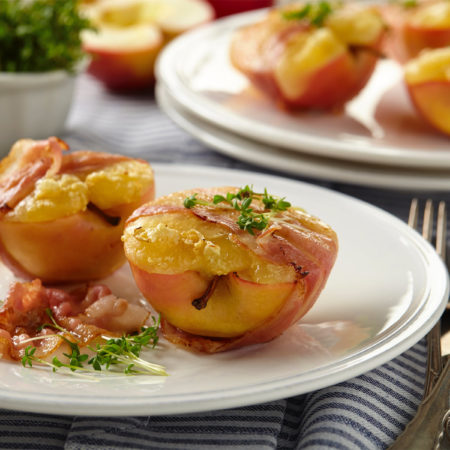
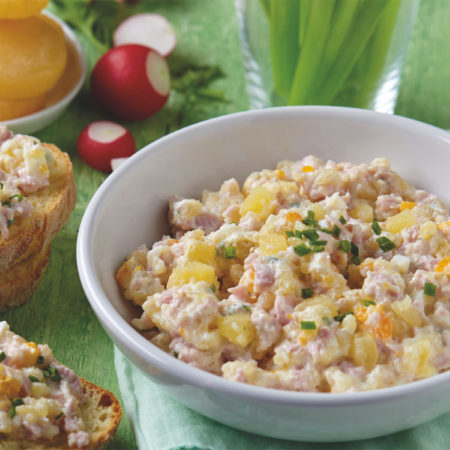
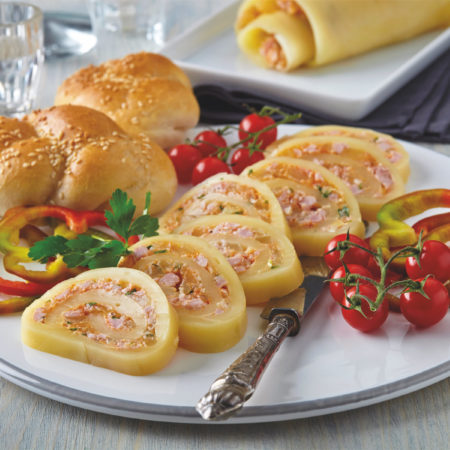
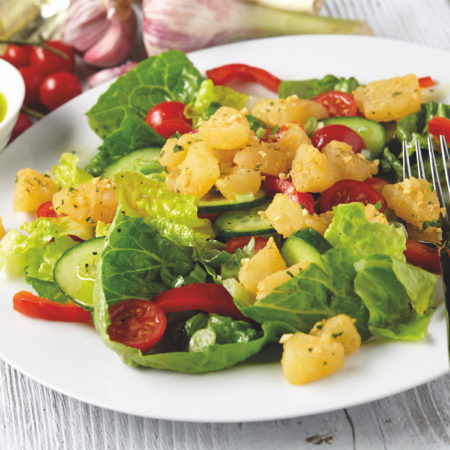
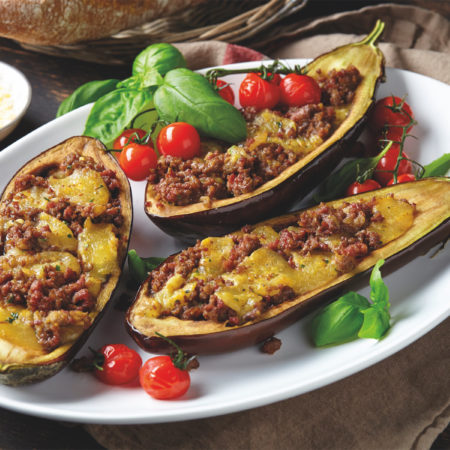
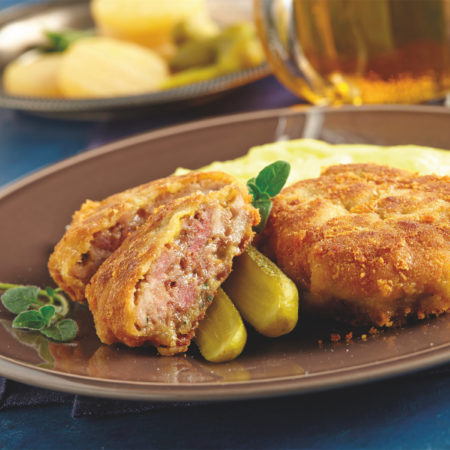
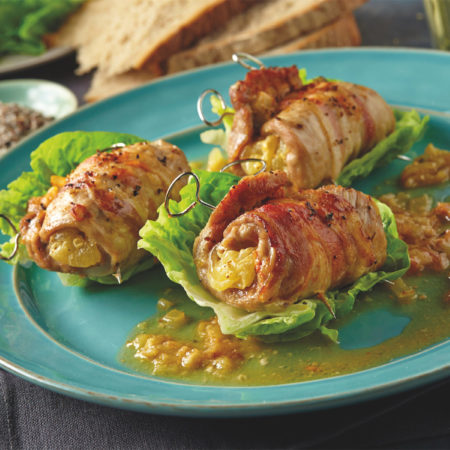
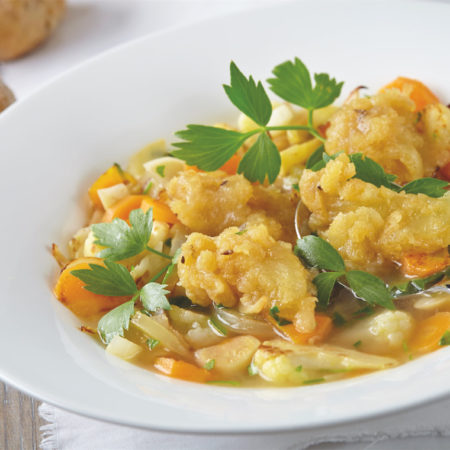
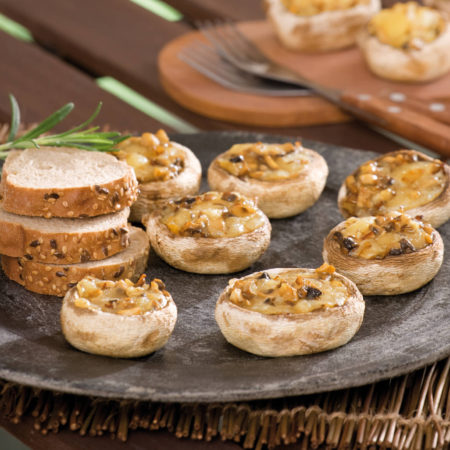
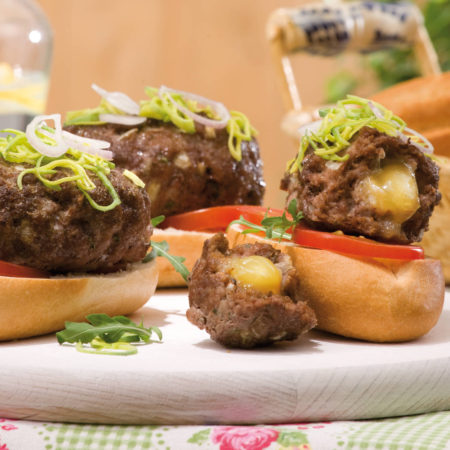
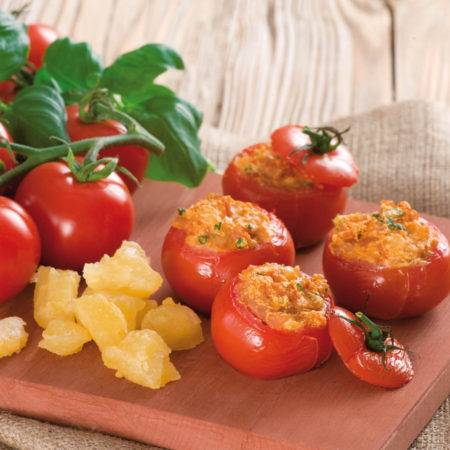
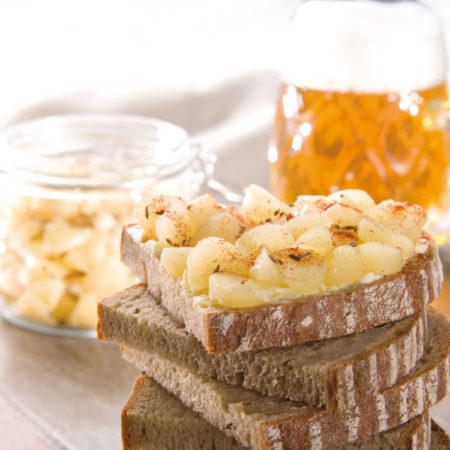
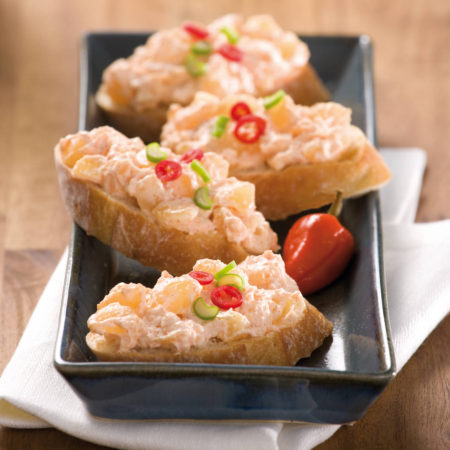
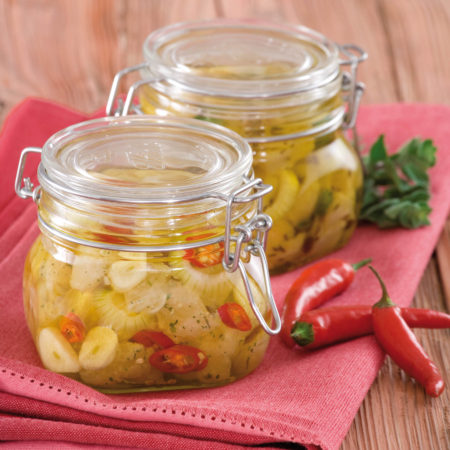
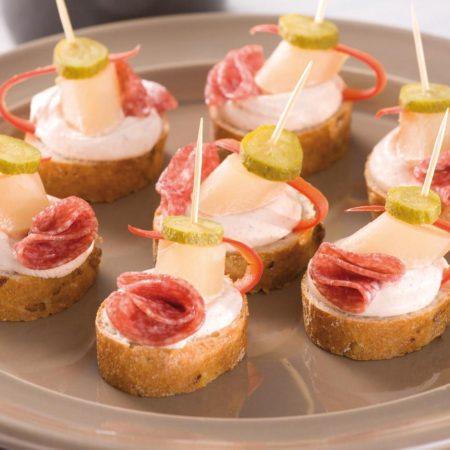
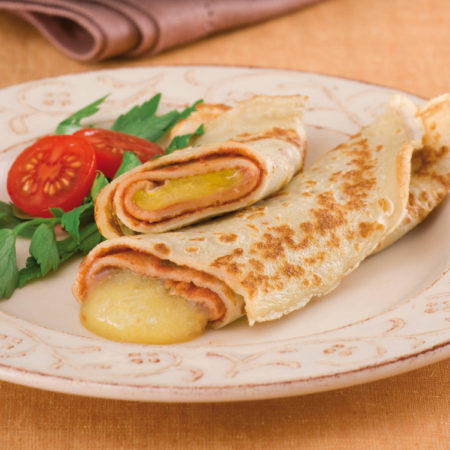
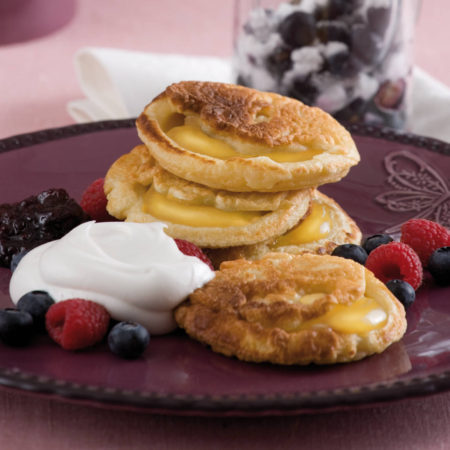
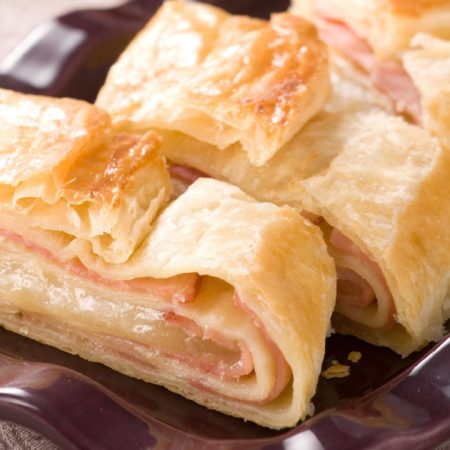
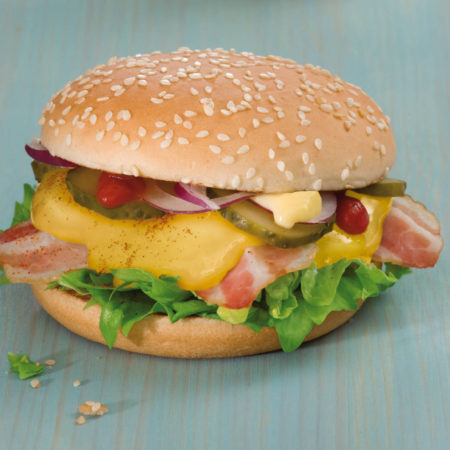
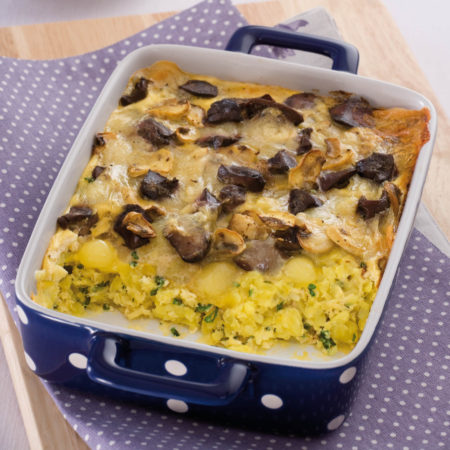
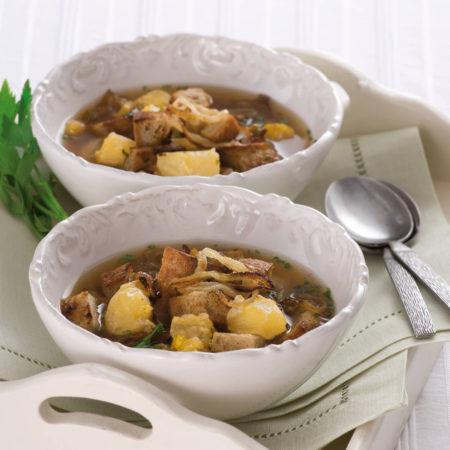
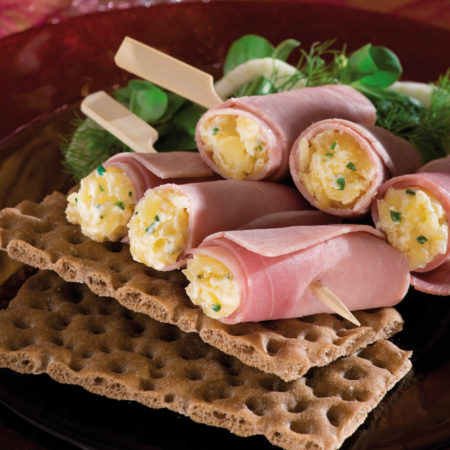
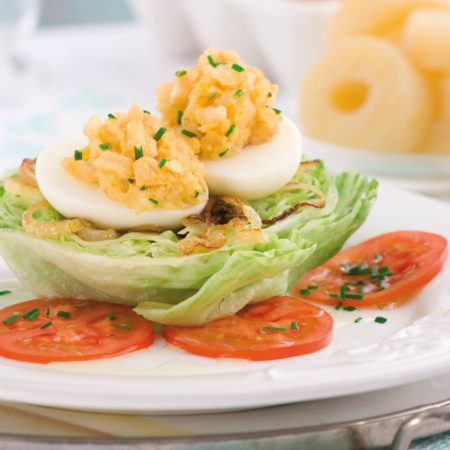
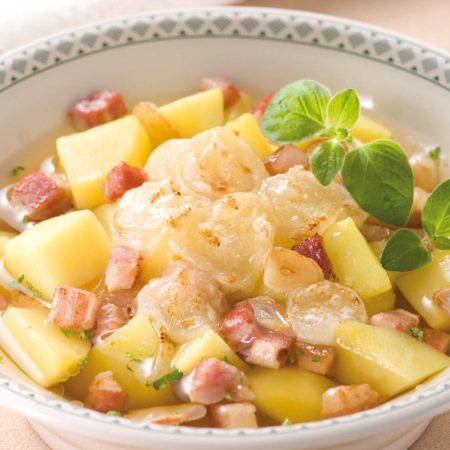
Recepty s Olomouckými tvarůžky
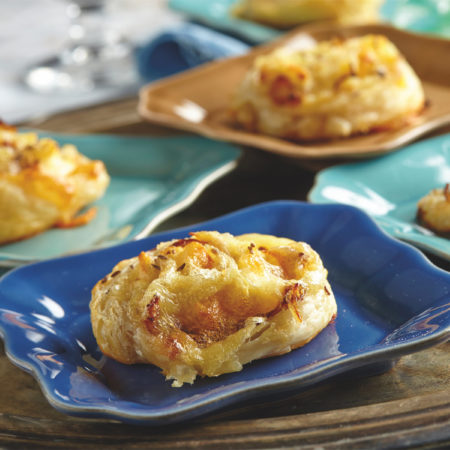
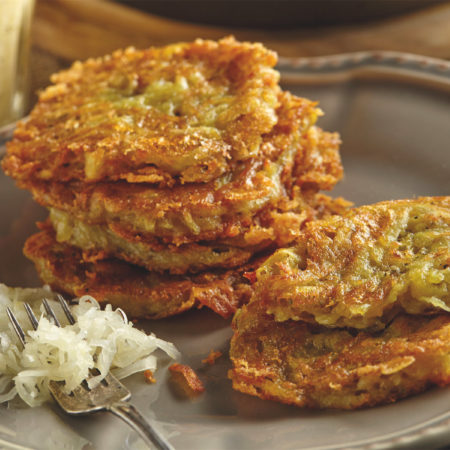
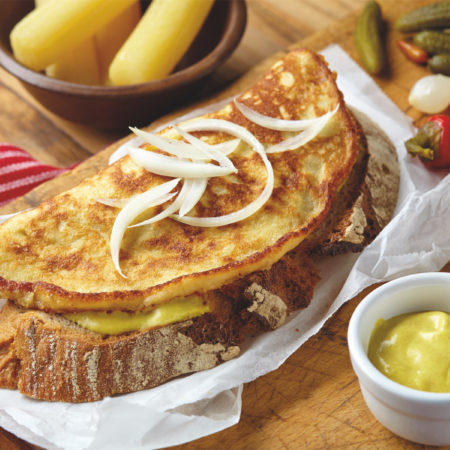
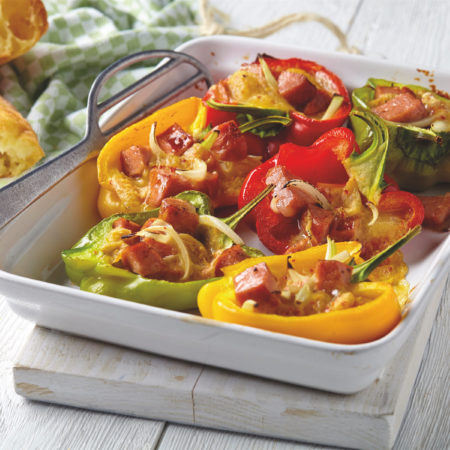
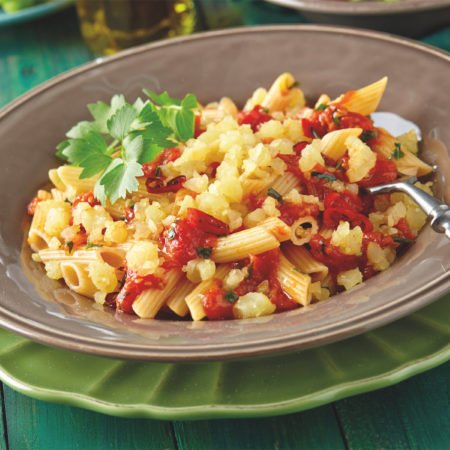
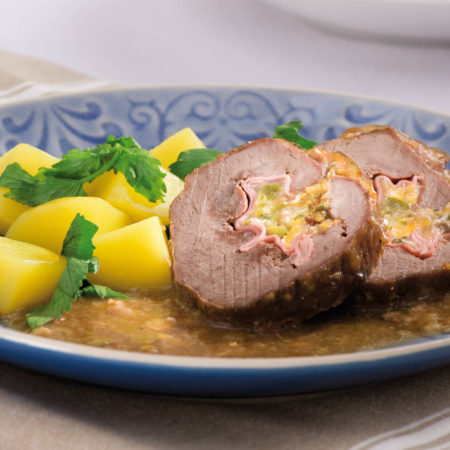
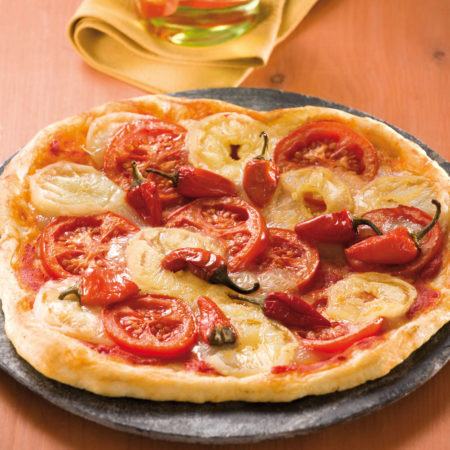
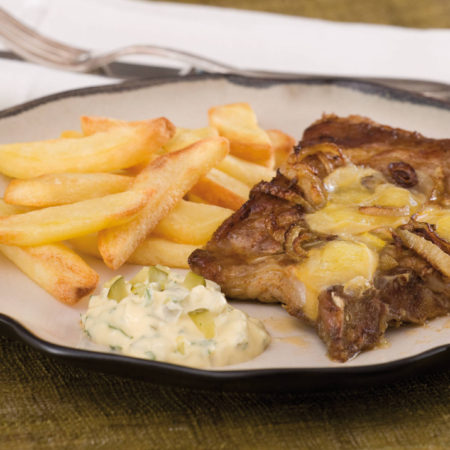
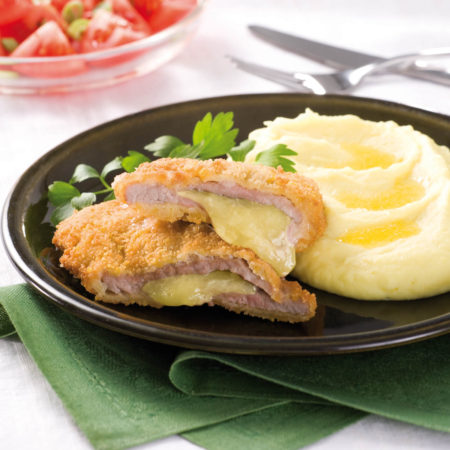
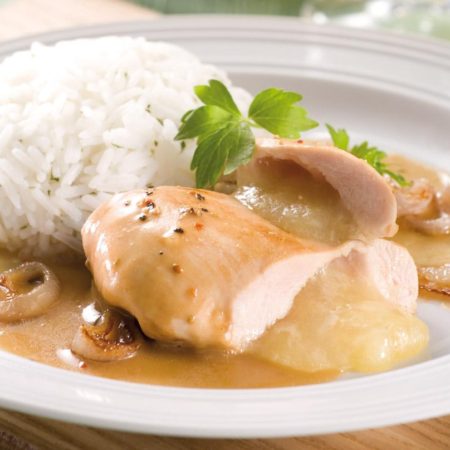
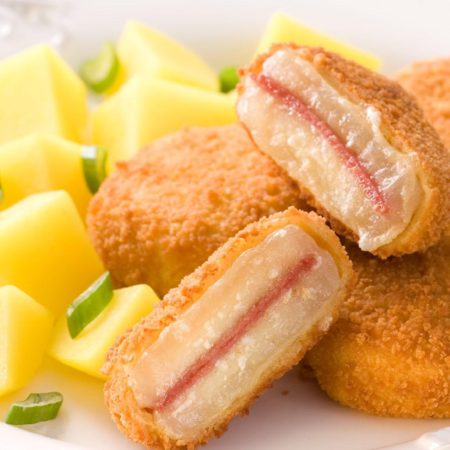
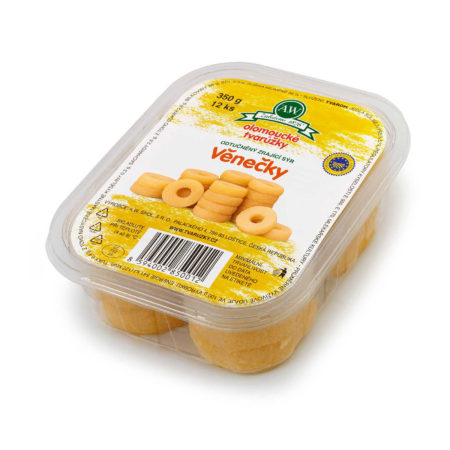
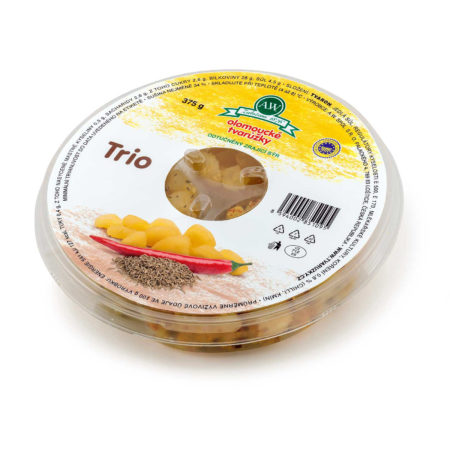
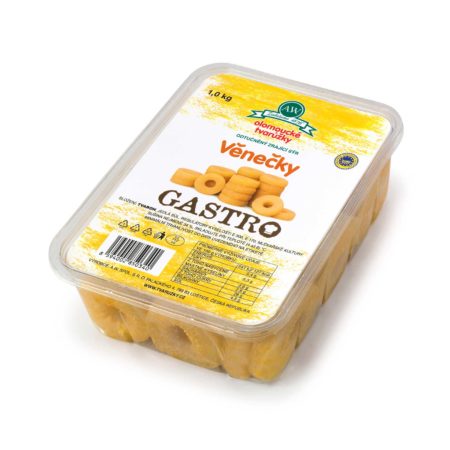
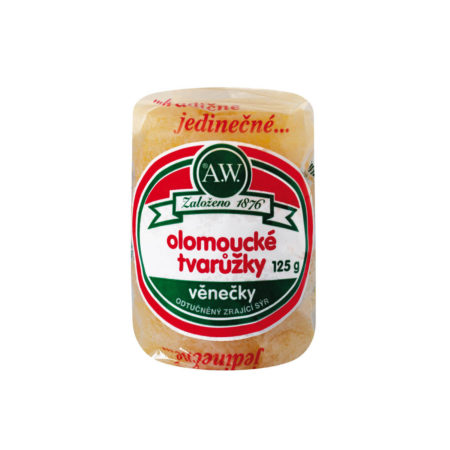
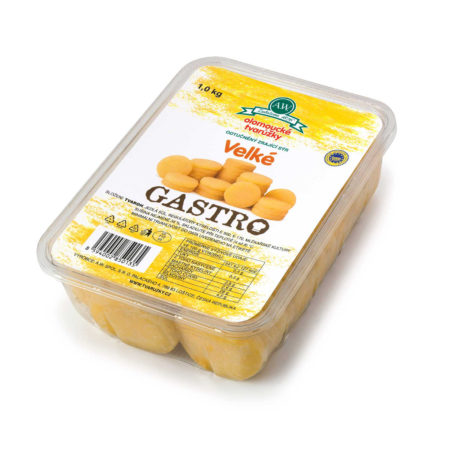
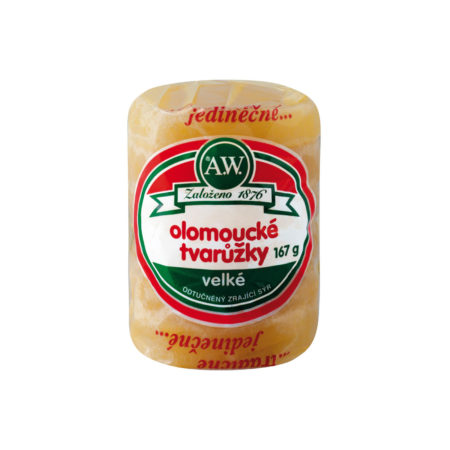
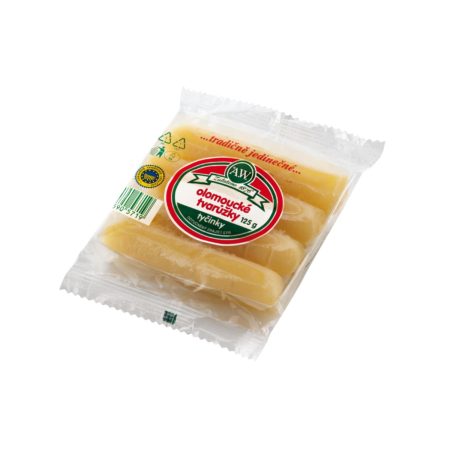
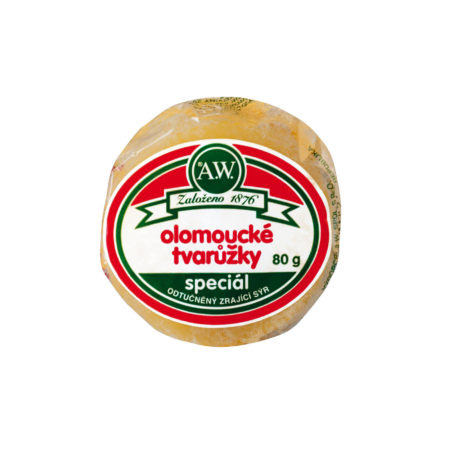
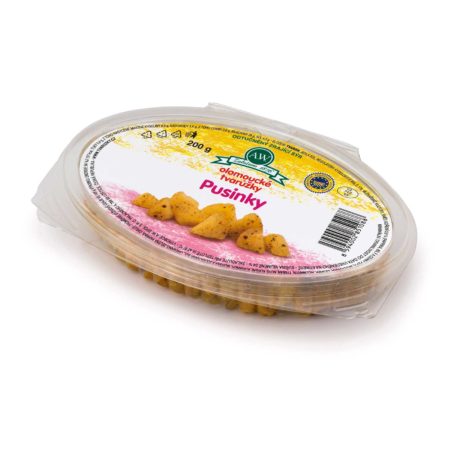
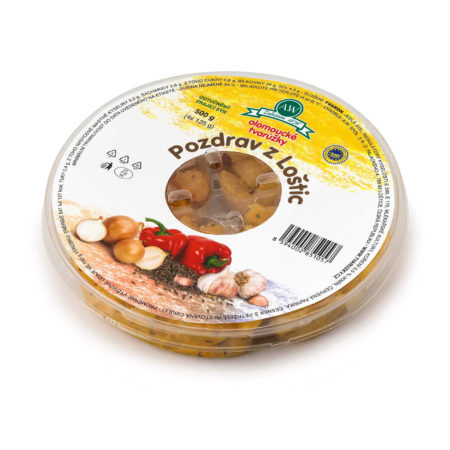
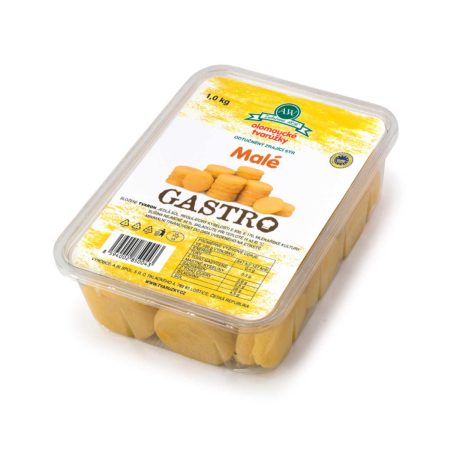
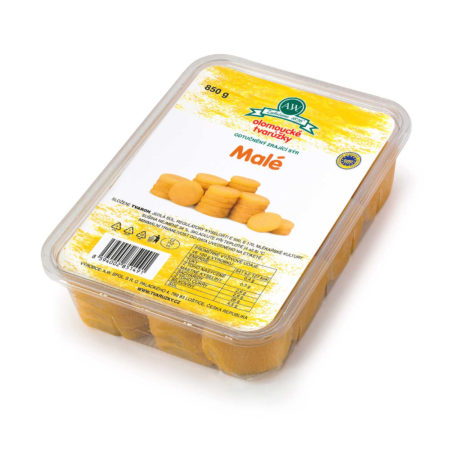
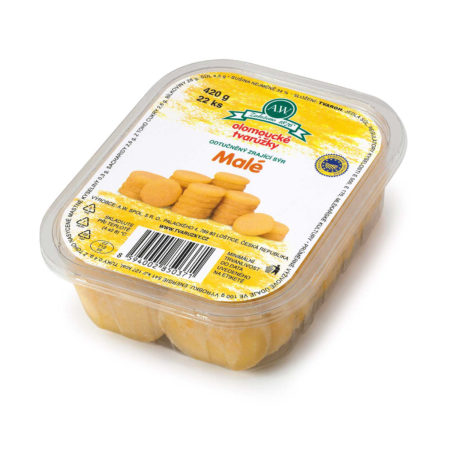
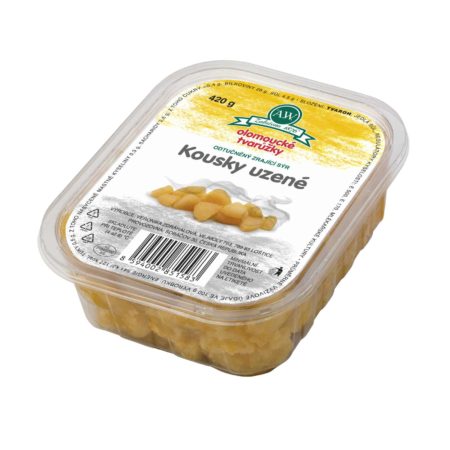
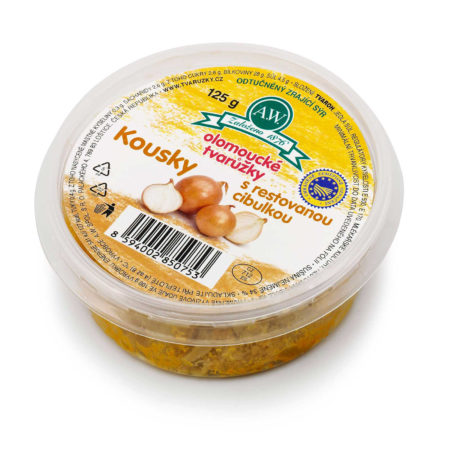
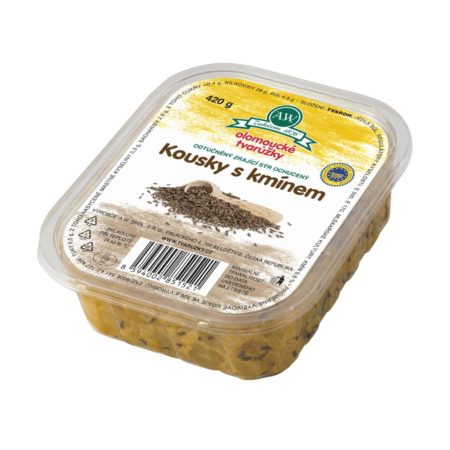
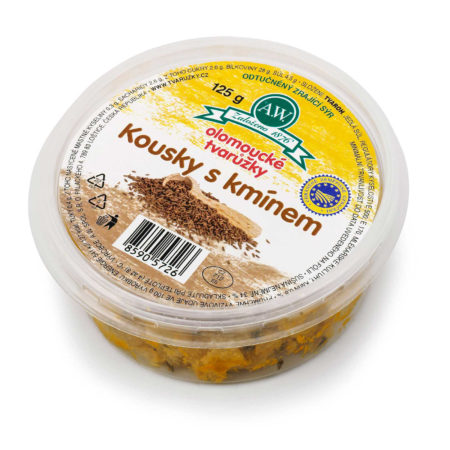
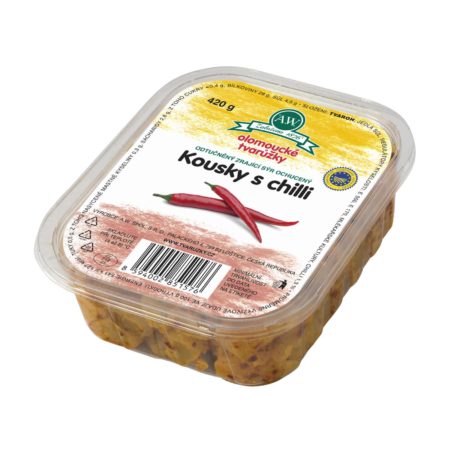
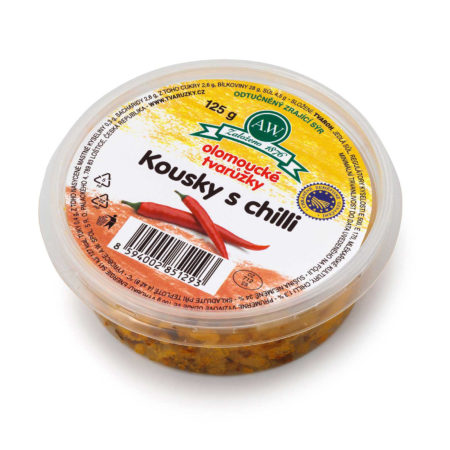
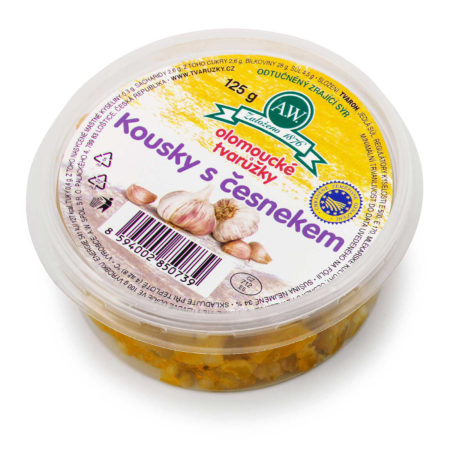
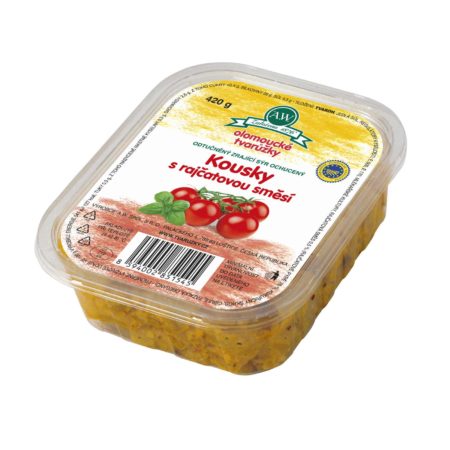
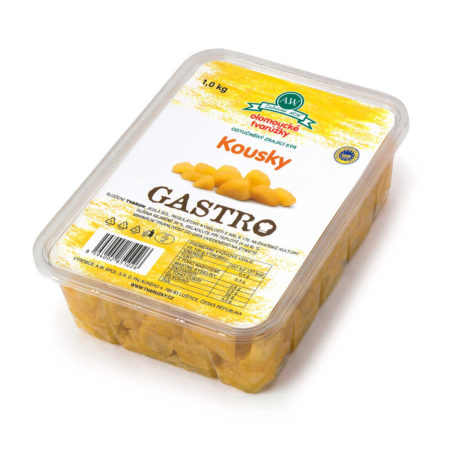
Nabídka Olomouckých tvarůžků
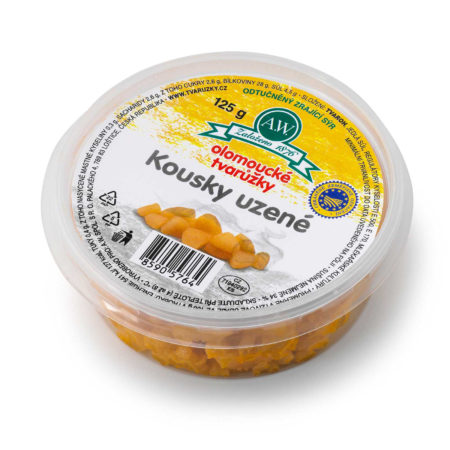
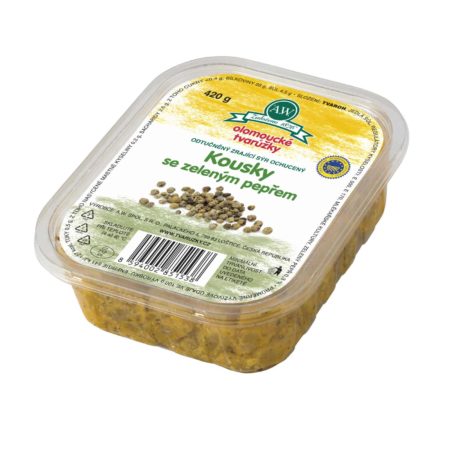
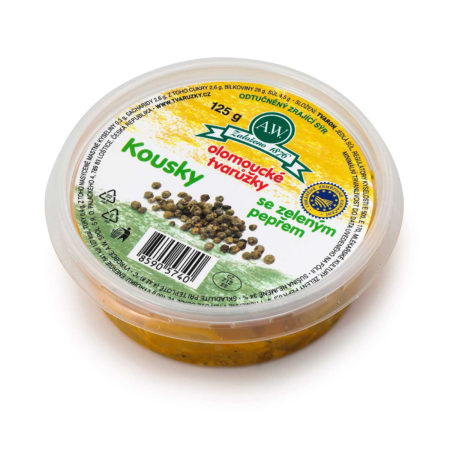
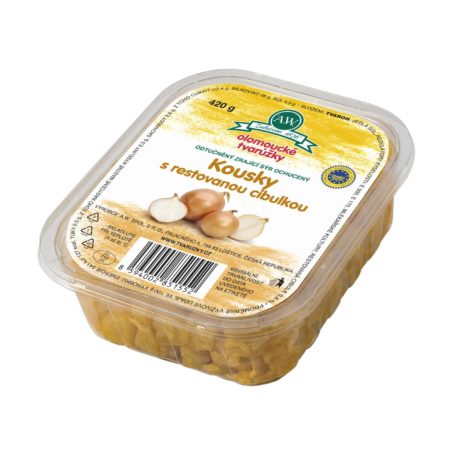
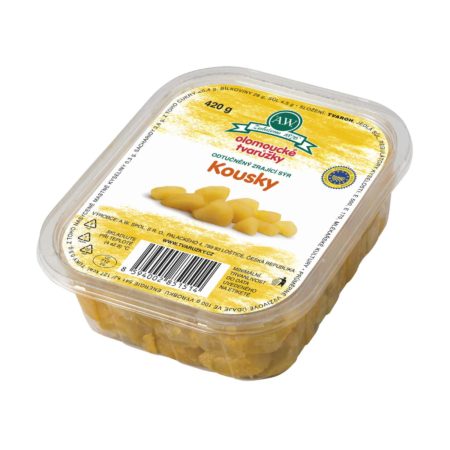
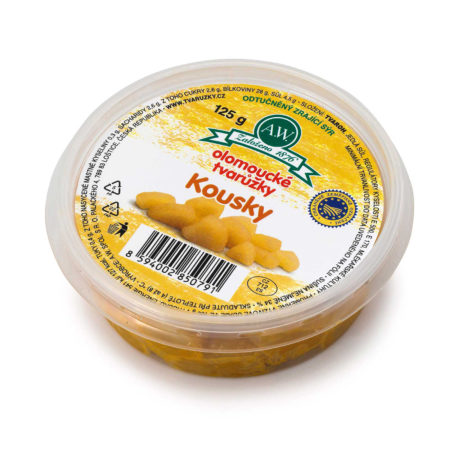
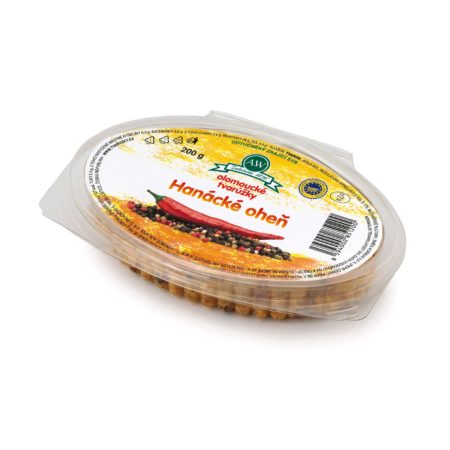
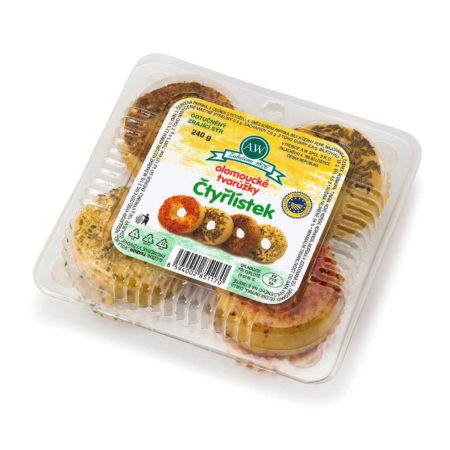
Muzeum Olomouckých tvarůžků
Muzeum Olomouckých tvarůžků A. W.
Palackého 2
789 83 Loštice
Otevírací doba
- Pondělí:
- 09:00–18:00
- Úterý:
- 09:00–18:00
- Středa:
- 09:00–18:00
- Čtvrtek:
- 09:00–18:00
- Pátek:
- 09:00–18:00
- Sobota:
- 09:00–18:00
- Neděle:
- 09:00–18:00
Recepce a objednávky
tel.: 583 401 217
e-mail: awmuzeum(at)tvaruzky.cz